A lumber and packaging materials importer ran its imports from Brazil through the Port of Veracruz. Port costs kept piling up shipment after shipment, and clearance times weren't improving even as they adjusted volumes.
The problem wasn't the supplier or the product. It was the port.
The diagnosis
Diego Hernández and Annel Chagoya from 2DL reviewed the full route. Veracruz presents two frictions that are hard to solve on that Brazilian cargo corridor: terminal congestion and a ground leg to Querétaro that's less efficient than the alternatives.
Altamira solved both problems. The ATP and IPM terminals have better logistics management and less congestion for that cargo. And the Altamira-Querétaro highway corridor has better infrastructure and shorter times than the Veracruz-Querétaro corridor.
The first test
The first 8 containers cleared in 4 days, within the 7 the authority allows. One day of ground transit later, the goods reached destination. Five days total, door to door.
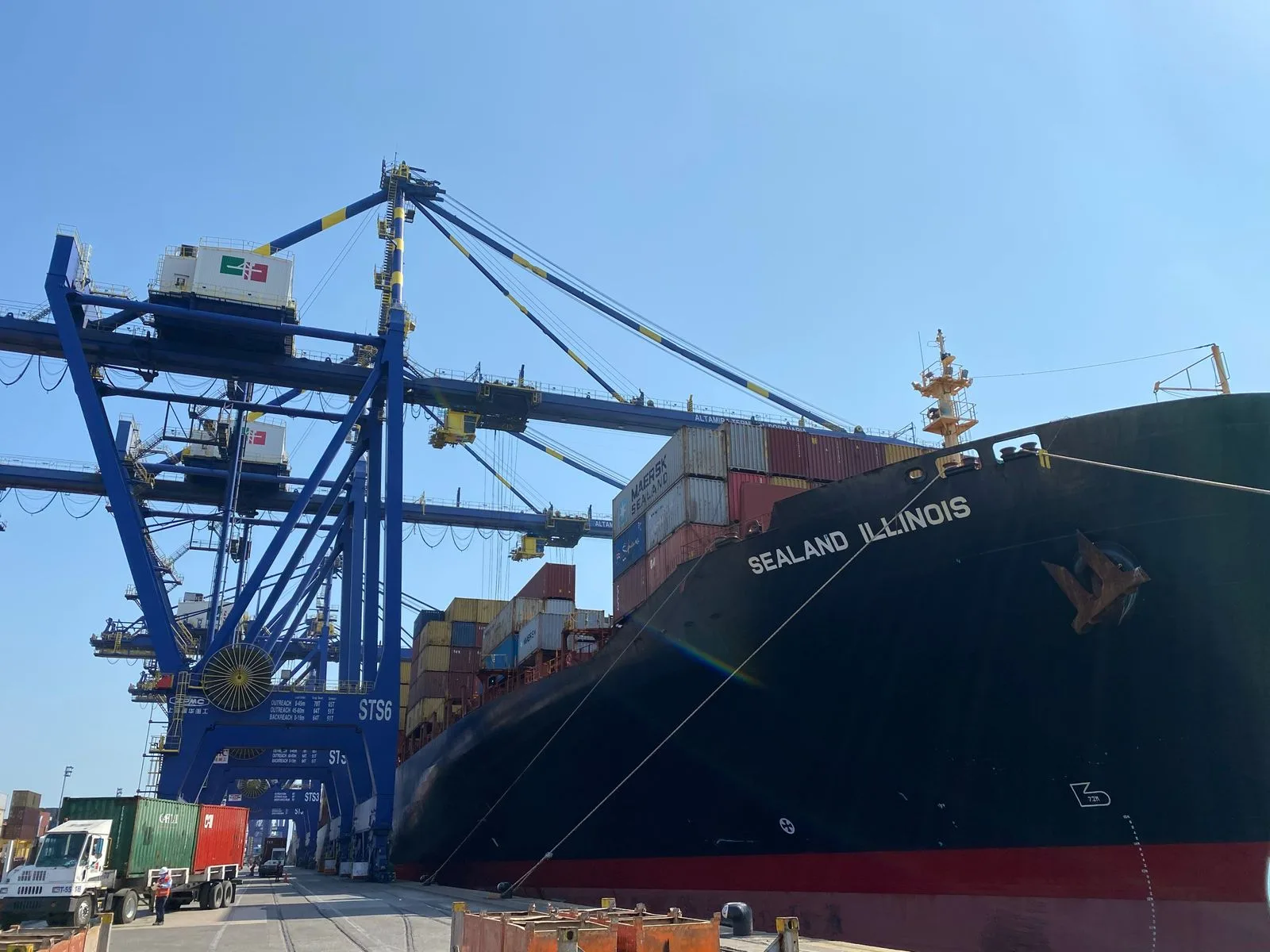
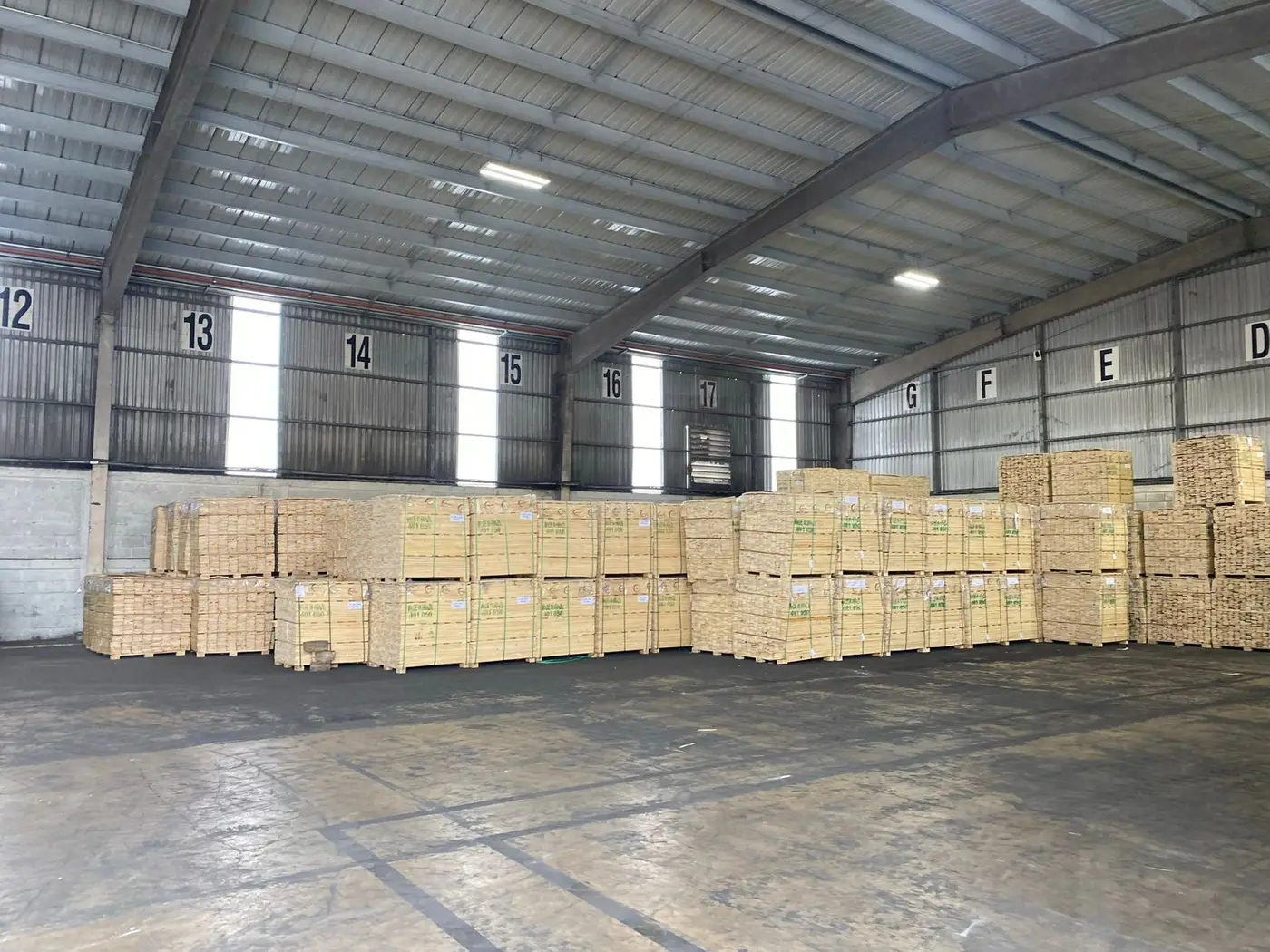
The operation became the standard process.
Result
- 35% reduction in port costs (sustained process)
- 55% less clearance time (sustained process)
- +40% import volume, with the same operating structure
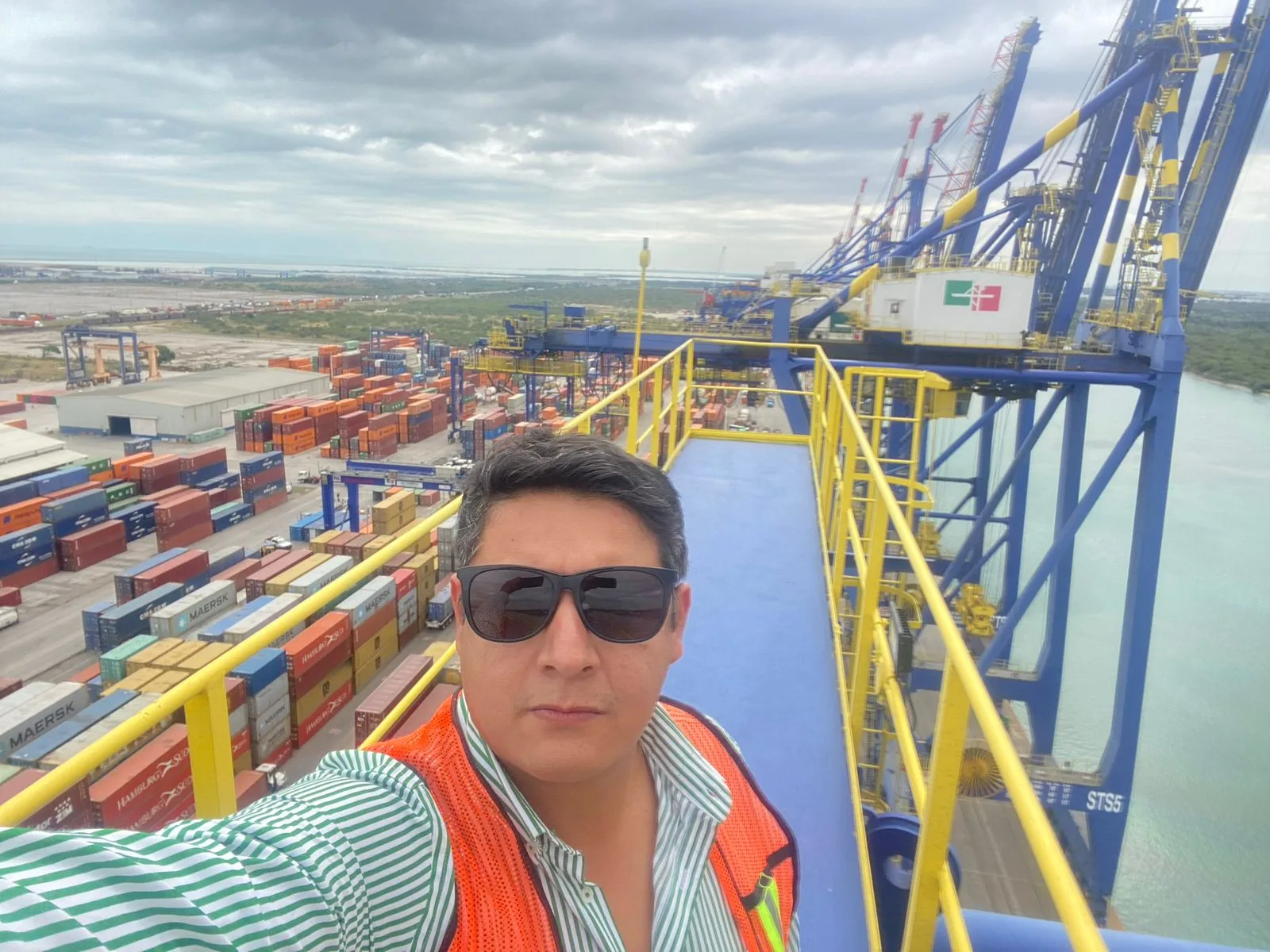
The client didn't change their supplier in Brazil or their product. They changed the route and who runs it. That change is what moved all three results.
Does your operation have a bottleneck at the port you use today?
We'll review your current route and tell you if there's an alternative that cuts cost and clearance time.
Let's Talk